Why a safe is useful even if you do not own many valuables
The main security consideration for a home or business is to protect people first and foremost, followed by valuable items and the assets of a business, such as buildings, product, materials and equipment. It is common for people or businesses to use a safe for the purpose of protecting valuable possessions, even if they don’t have that many. This is because a safe is a very effective way to protect valuable items, can be bought in varying different sizes according to your needs, and also acts as a deterrent against criminal activity. A criminal sees a safe and knows instantly that security levels are high.
Another factor in this is that possessions hold value for different reasons. Obviously any amount of cash has a very obvious value, as do items such as jewellery, electronic devices and collectible items. These all have a financial value and therefore need to be protected from theft in a safe. But other items can have:
- Personal value – Old photographs, family heirlooms or personal possessions from our youth, which have little monetary value, but are irreplaceable to us.
- Legal value – Documents such as property deeds, passports and birth certificates are important legal documents that have no financial value, but are very important to us personally and are hard and time-consuming to replace.
- Commercial value – Items such as contracts, product specifications and trademark information are confidential and have a value to a business, and to their competitors, but not to an opportunist thief.
So all these items carry very little monetary value, but we need to keep them in a safe to protect them from water or fire damage, or from getting lost or shared, rather than protecting them from criminal theft.
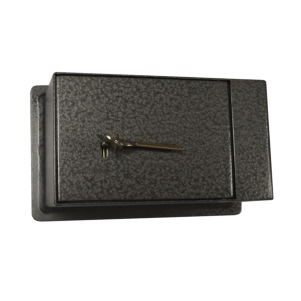
Why a safe is useful for non-valuable items
So even if you don’t own many valuable items there are safes of different size and style to suit you, and a safe is still very useful because:
- Protect irreplaceable documents – A fireproof or waterproof safe can protect important documents from damage and keep them together in a safe place. These items have personal sentimental value and can’t be replaced by an insurance claim. This includes passports, marriage and birth certificates, property deeds, a will and old photographs and family heirlooms.
- Protection from theft – Even if you don’t own many valuables, those you do own should be kept in a safe. An opportunist thief will grab anything that comes to hand, such as tablets and smartphones or keys.
- Protection from damage – Most safes offer protection against elements such as fire and water and are rated to withstand damage for a certain amount of time. This allows emergency services to tackle a fire or flood and to protect your items.
- Insurance cover – An insurance company isn’t interested in how many valuable possessions you have, they just cover you for the items you want covering. So if you have a professional camera worth £1000, for example, and nothing else, you want that to be protected and need to keep it in a safe even if that is all the safe is used for. If the camera is stolen and you hadn’t kept it stored in a safe, you probably won’t be covered under your insurance policy.
- Organisation – It is a nuisance when you need to find something important in a hurry and don’t know where it is. A safe provides a simple, central and dedicated space in which you can store and organise your important items. So even if you don’t own many important or valuable things, at least you will always know where they are and how they can be accessed.
- Peace of mind – Knowing that important possessions are being kept protected in a safe provides great peace of mind.
Considerations when choosing a low volume safe
Even if you only need a small safe for a low number of valuable items, there are a number of considerations you need to make:
- Location – Where can you store the safe to make it discreet but accessible?
- Secure – Can you bolt the safe to a wall or floor or lock it in a drawer so it can’t be taken in whole and accessed remotely?
- Insurance rating – Even if a safe is small it still needs to have an insurance rating to match the value of its contents so that you are covered on your insurance.
- Fire and water protection – If the items you are storing are mainly paper documents, photographs or items which can be damaged, make sure fire and water protection is suitable to protect these items.
Even if you don’t store many valuable items in your home or workplace, everything has a value of some sort and therefore needs protecting. So a safe is the best way of doing this and at MB Direct we have a wide range of safes for you to choose from.