Noisy door closers - diagnosis and solutions
A door closer is an integral element of the interior design of a building and provides essential benefits in terms of fire safety compliance and building functionality, but also in terms of security, energy efficiency and noise control. It is important that choosing the right door closer takes into account a number of factors, most commonly the amount of traffic the door closer will be expected to control. You would be surprised how many opening and closing cycles a door closer undertakes in a working day in a commercial building, and certainly over a few years, so it is essential that a door closer is suitable and that the closing and latching speeds are adjusted to allow for the type of traffic in the building. If these considerations are not met, it can lead to maintenance and repair issues.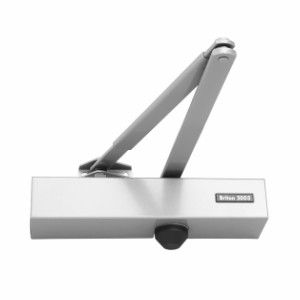
Common operational issues with door closers
Door closers can exhibit noise due to a number of issues. A noisy door closer is probably the most common symptom you can experience, but this could have been caused in numerous different ways. Door closers can squeak due to friction, they can produce a knocking sound or they can grind due to an internal failure. A different type and source of noise is the door itself slamming shut, this is usually caused by the door closer. So why are these different types of noise created and what can you do about them?
Causes and solutions for noisy door closers
- Squeaking – A door closer will usually emit squeaking noises because the moving parts are in need of lubrication. These moving parts are the arm and hinge joints. The pivoted arm is attached to the main body and the door frame. This operates by bending the arm every time the door is opened and closed, and therefore can undertake thousands of cycles between routine maintenance points. If the door is squeaking you may consider that your maintenance schedule is not sufficiently frequent, but nevertheless, you should use a light machine oil or silicone spray to lubricate the arm joints and pivot points.
- Knocking – This usually indicates that the pivoted arm is misaligned or bent, or is striking the door. A solution in this case would be to tighten any loose screws so that the arm is correctly positioned and is running true. If the arm is damaged or bent, you may be able to fix this so the knocking disappears, but you also may need to replace the arm. It is also possible that the door has dropped, and therefore the door closer is not running true and is knocking each time the door is opened and closed. In this case you can look at the hinges of the door itself and tighten the screws so the door hangs properly. This would also solve general wear and tear issues with the door.
- Grinding – This is most likely caused by internal damage to the spring or the bearing within the main body of the door closer. This would result in the moving parts scraping or clicking against each other, which produces a very metallic sound. You should open up the main body of the door closer and inspect the internal parts. They may need some lubrication in order to operate more freely, or they may need replacing if the spring, for example, is broken.
- Rattling – If you hear a rattling noise when you open and close the door, this could simply be loose screws causing the mechanisms to repeatedly knock against each other. This could either be in the mounting of the main body or in the screws connecting the pivoted arm. You should be able to access these screws and tighten them very easily.
- Slamming – Repeated door slamming is a noise hazard, but can also cause a safety issue and can create stress that damages the door, door frame or the wall. The main reason why a door slams is that the closing speed and latching speed have been set too high. But it could also mean that your door closer is too small for the environment or the door size and weight. You can adjust the valves in the main body to slow the closing speed down. This controls the closing arc from fully open to about 15 degrees from closing. At this point the latching speed takes over. This controls the final closing action and ensures the door properly latches in the frame and won’t open again. Slowing these speeds down will prevent the door slamming, but you also need to ensure it is not too slow that the door doesn’t latch at all and remains slightly ajar. You would normally turn the screws clockwise to slow the door speed down and anti-clockwise to speed it up. Play with the valve screws until you find the right balance of speeds. If the door is slamming because it is not sufficient to control the size and weight of the door, or because there is a wind tunnel nearby that creates excessive force, then you may need to consider upgrading the door closer to a bigger size. This would remove the noise issue, but would also make the door closer much safer and more effective long term.
Order your door closer from MB Direct
At MB Direct we can talk to you about maintaining your door closer and choosing the right type, so check out our range of door closers and order online today.